Learn bass fishing, one useful step at a time.
A reading path for your first outfit and your next trip. Start with what you already own and the water you can reach.
1. Choose one workable outfit
Start with the lures you want to cast, then match the rod, reel and line.
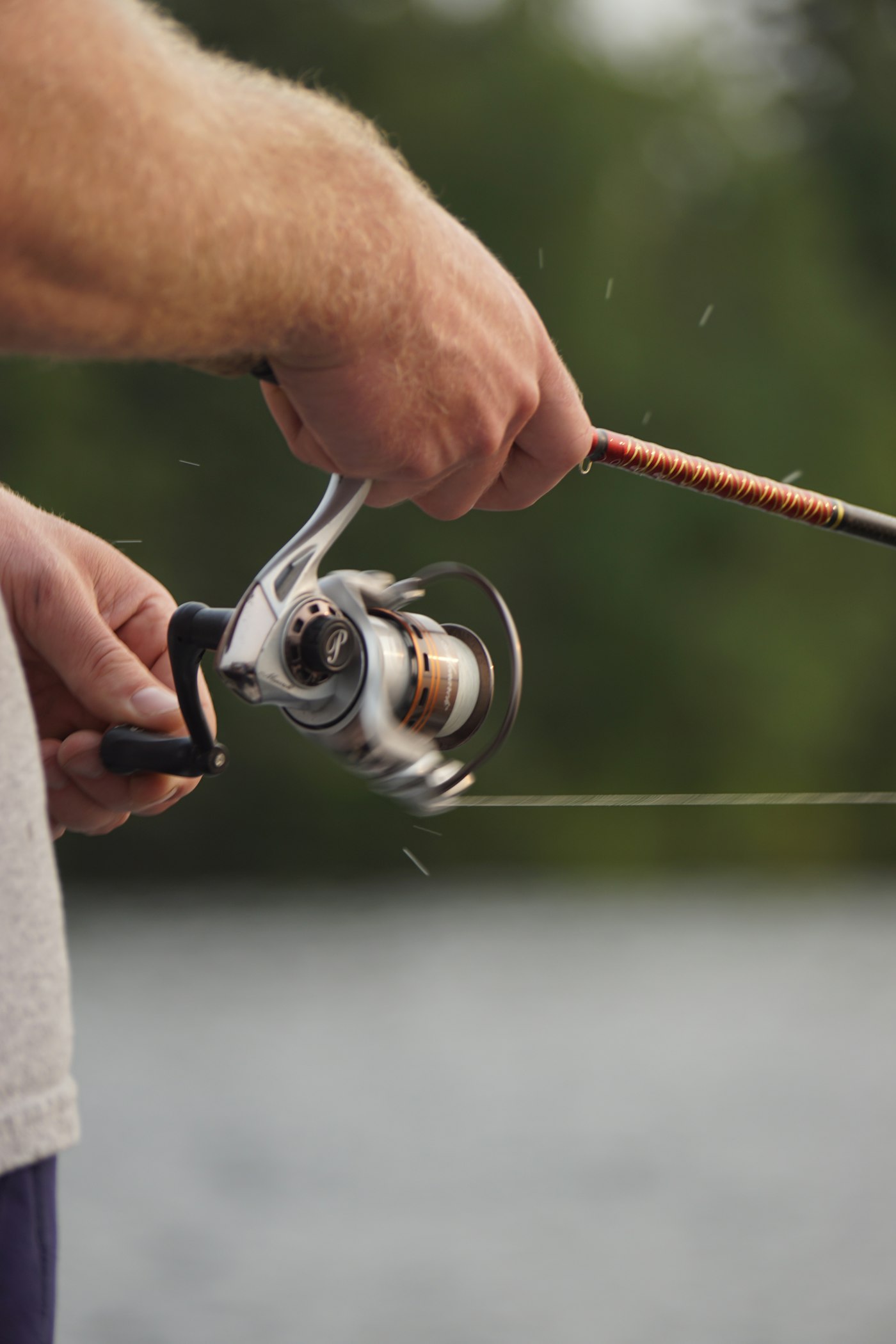

2. Build a small, useful kit
Buy terminal tackle that fits your plastic and keep the first box manageable.
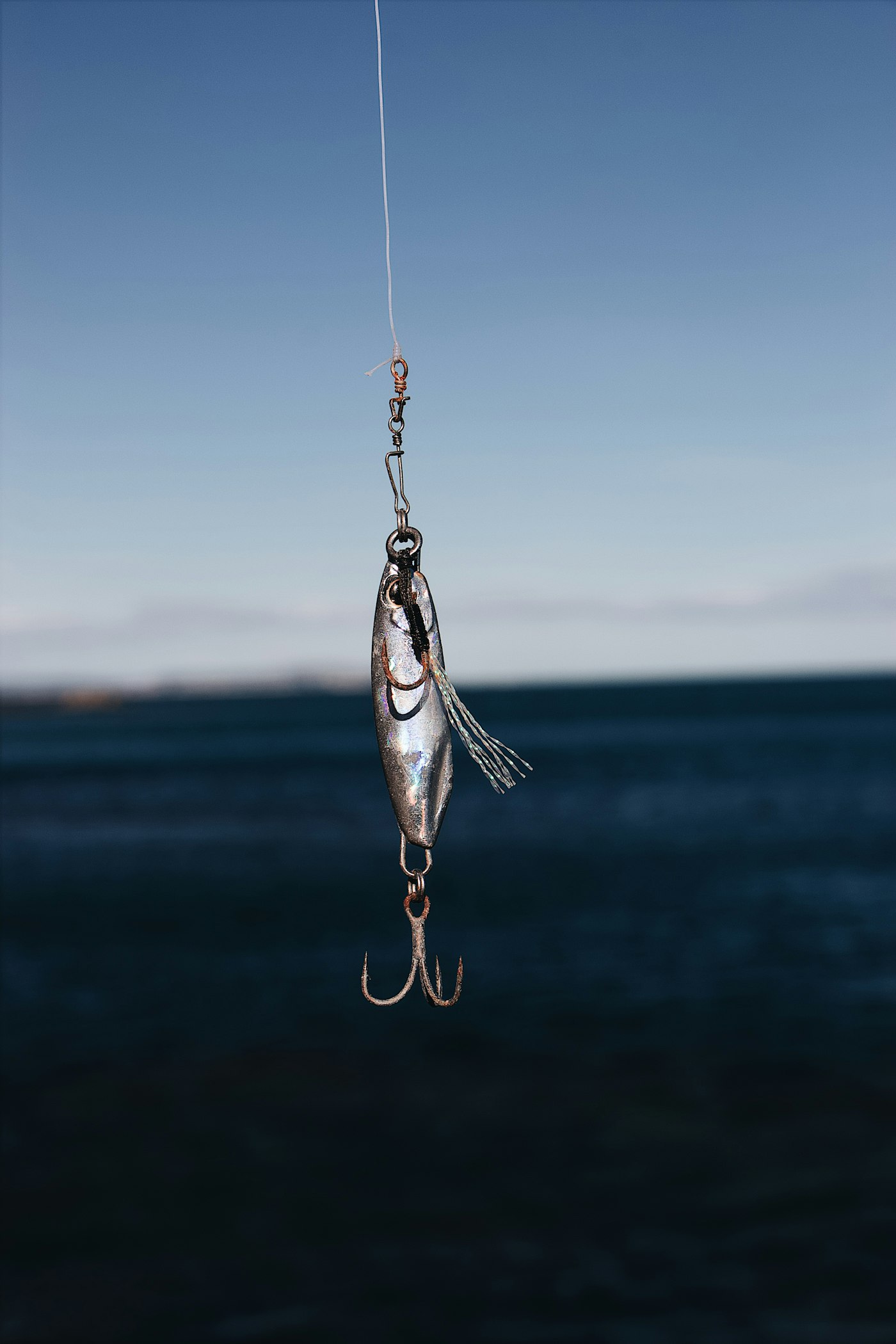
Beginner Bass Fishing Tackle Kit: What to Buy First
A small shopping list with a job for every item.
Bass Fishing Hook Sizes: Fit the Bait First
Choose a bass hook by plastic thickness, gap, wire and rig type instead of relying on a size number alone.
Bass Fishing Sinker Weights: Choose for Control
Select bullet, drop-shot and other fishing weights by depth, wind, bottom and total rigged weight rather than a universal size chart.
3. Learn one rig, then one alternative
Start with a rig that fits your water. Add another when it solves a specific problem.
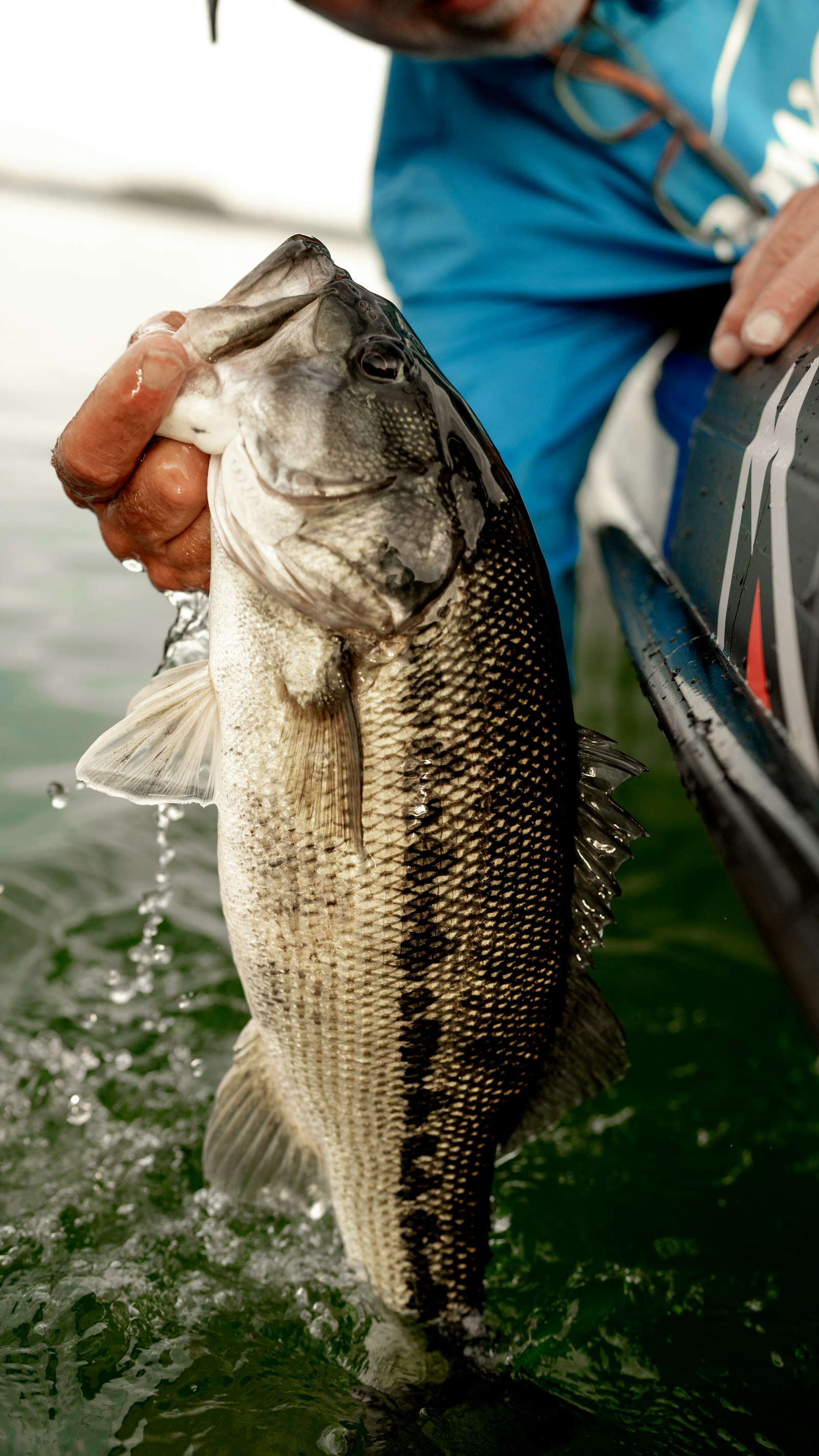
How to Tie and Fish a Texas Rig for Bass
Rig it straight. Choose the weight. Watch the fall.
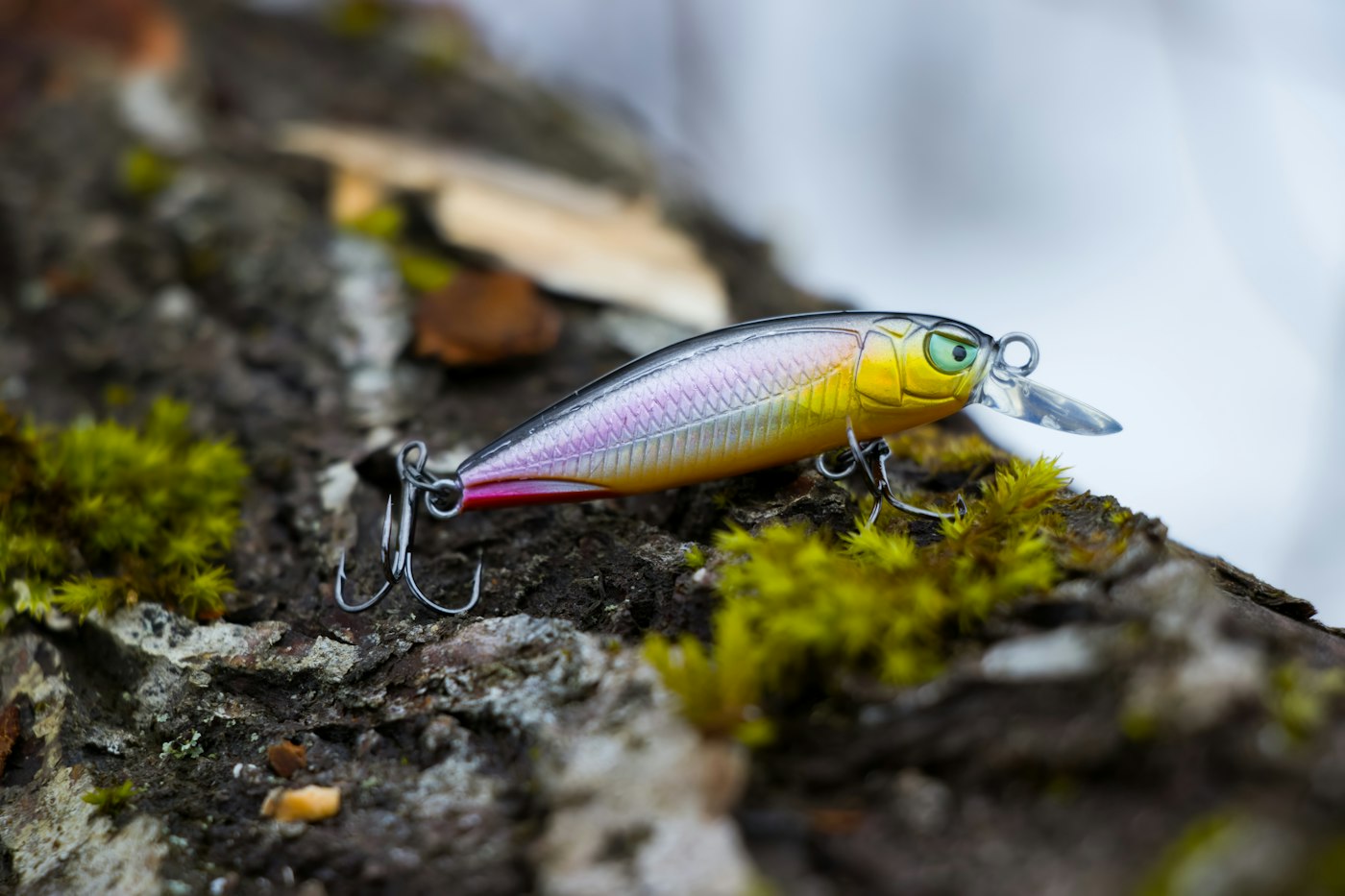
How to Fish a Wacky Rig for Bass
Rig a soft stick bait through its middle, control the fall, and troubleshoot missed bites with this practical wacky-rig guide.
Ned Rig Fishing: Setup, Retrieve and Snag Fixes
Learn a manageable Ned rig setup, three simple retrieves, and when an exposed jig hook is the wrong choice for the cover.
4. Give the trip a plan
Choose legal access, read the available water and keep a short note afterwards.

Bass Fishing Trip Checklist: Prepare Before You Leave
A simple plan you can finish in ten minutes.
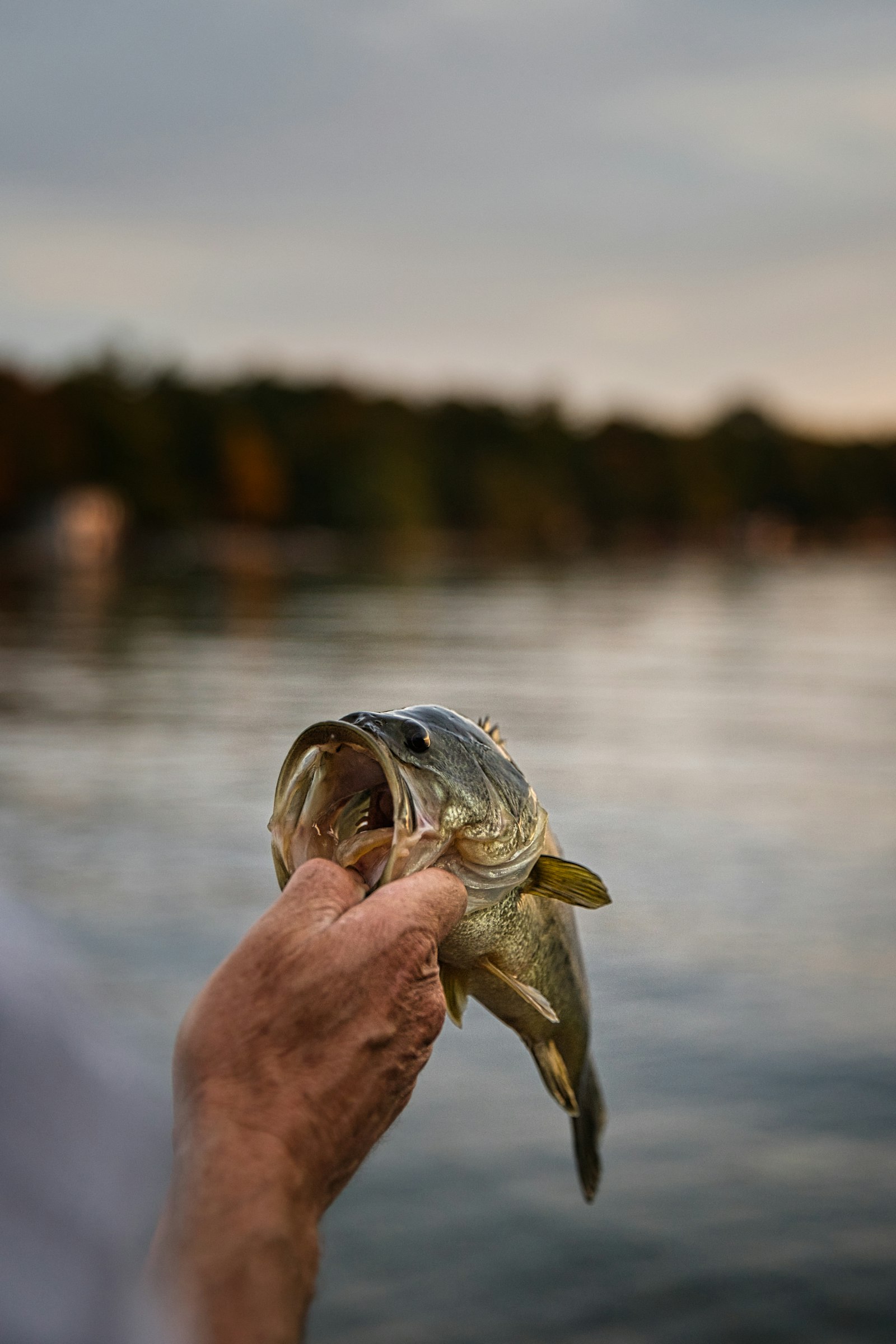
Bank Fishing for Bass: Access, Casting and a Small Kit
Cover more useful water with less gear.
A Bass Fishing Trip Log You Will Actually Use
Record location, conditions, presentation and results in a short fishing log that helps you make better comparisons between trips.
Check current licence, species, season and access rules with the local authority. Use the daylight planner for sun times and check the weather separately.