The links in this guide are unpaid references. We do not currently earn a commission from them. How we fund the site.
The Texas rig is a useful place to start with soft plastics. The aim is simple: a straight bait, a protected hook point, and a weight that suits the water you are fishing.
Build the rig
- Thread a bullet sinker onto the line with its pointed end facing the rod.
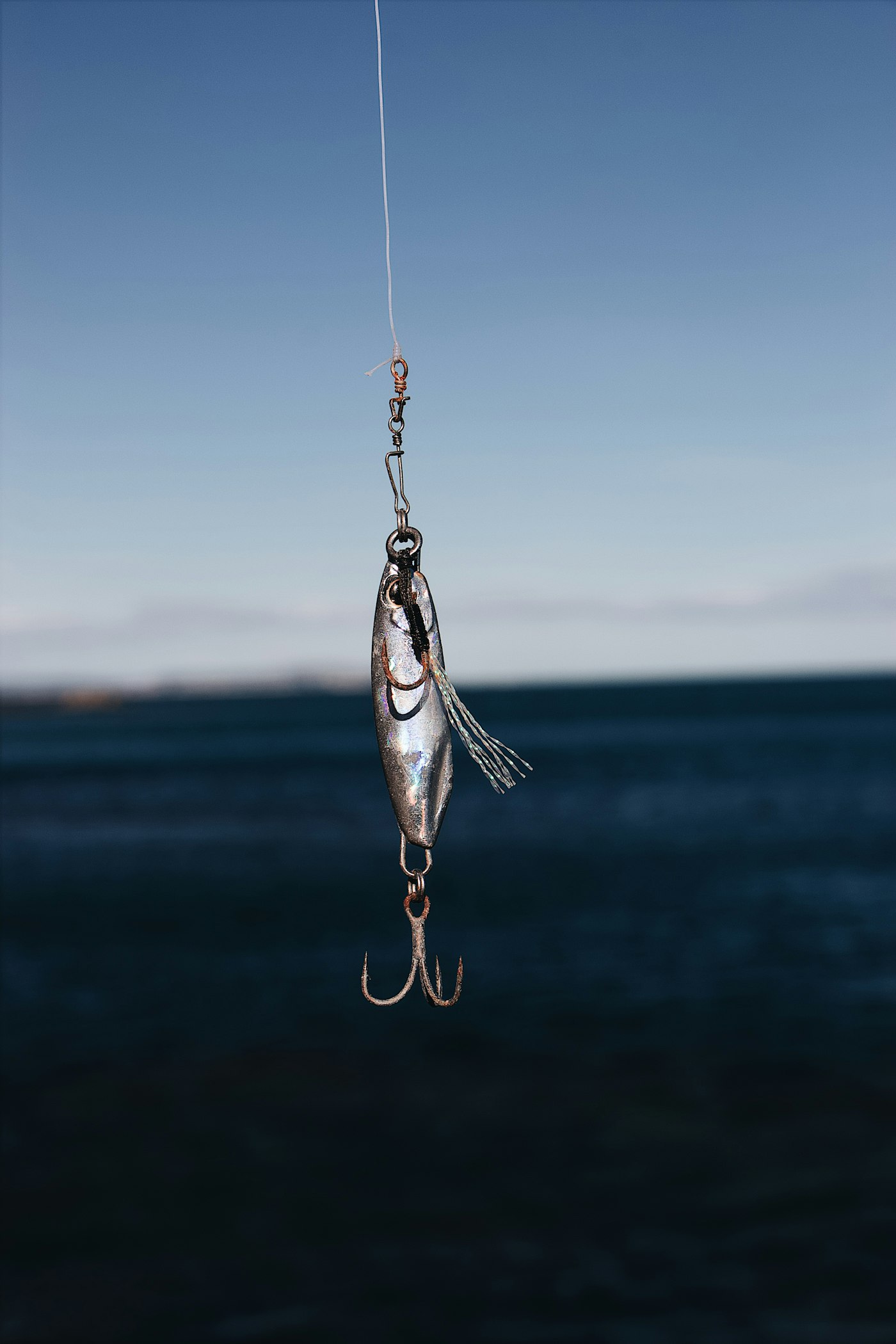
- Tie on a worm hook that fits the length and thickness of your plastic.
- Put the hook through the nose of the bait, bring it out a short distance down, and slide the head up to the hook’s offset.
- Rotate the hook. Lay it beside the bait to find the entry point before pushing it through.
- Keep the plastic straight and tuck the point lightly beneath its surface where cover requires it.
There should be room for the plastic to move down the hook when a fish takes it. If the body fills the entire gap, change hook size or style instead of forcing the fit. Take Me Fishing illustrates the rigging sequence.
Choose weight for control
Start with the lightest weight that lets you manage the presentation at the depth and wind you face. Increase it when you cannot follow the fall or reach the target. Dense vegetation can demand a different setup from sparse weeds; a single fixed weight is not a universal “punching” recommendation.
Pegging keeps the sinker closer to the bait. Leaving it free lets the weight slide. Decide based on how you need the rig to pass through the cover, and test it in water you can see before making a long cast.
Work one target carefully
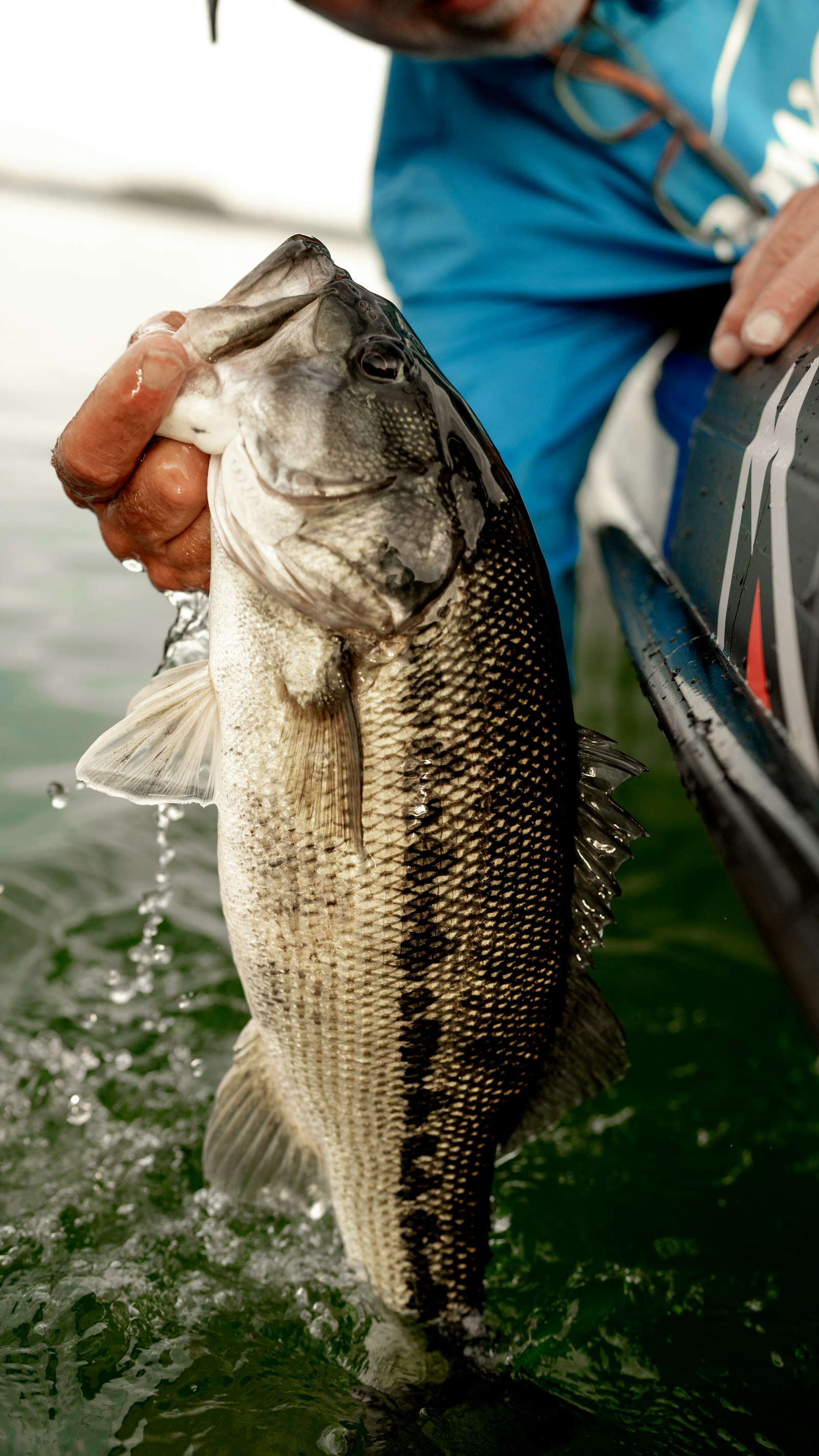
Cast beyond the edge you want to fish where it is safe to do so. Let the rig settle while watching the line. Use a short lift, drag or pause, then repeat. You do not have to hop it on every retrieve; change one part of the presentation at a time so you can learn what it does.
Check before the next cast
If you suspect a bite, take up excess slack until you can feel what is there before making a controlled hookset. A slack-line swing wastes movement. After a snag or fish, check the knot, the first section of line and the plastic’s alignment. A torn nose can make the bait slide down the hook every cast.
Educational guidance, researched with AI assistance. No hands-on testing is claimed. Our editorial approach.
A detail needs correcting?Send the model name, source or correction to [email protected]. Read our editorial standards.