The links in this guide are unpaid references. We do not currently earn a commission from them. How we fund the site.
A hook number is a useful label, but it does not tell you whether a specific plastic will fit. Compare the hook and bait together before buying a large pack.
Understand the size labels
In common numbered hook sizing, a smaller whole number generally means a larger hook; in the aught series, larger numbers generally mean larger hooks. However, shape and dimensions vary between manufacturers. A 3/0 from one range can fit differently from another.
Use the label to narrow the shelf, then compare actual gap, length and wire diameter. Those determine how the hook sits in the plastic and what the tackle must do to set it.
Leave room for the plastic to move
Lay the hook beside the bait. Identify where the point should enter and exit so the plastic remains straight. On a weedless rig, there should be room for the body to compress without completely filling the gap.
A thick creature bait and a slender worm of similar length may need different shapes. Do not stretch or bunch the plastic simply to make the size you already own appear suitable. The Texas-rig guide shows the assembly sequence.
Match hook style and wire to the job
A wacky hook, drop-shot hook and offset worm hook serve different rig arrangements. Start with the style intended for the presentation. Heavy wire may suit demanding cover, but it also asks more of the rod, line and hookset. Thin wire is not a substitute for an outfit suitable for heavy vegetation.
Choose the whole system together. A small exposed hook on light tackle usually needs a different approach from a large hook buried in a thick plastic.
Inspect and replace deliberately
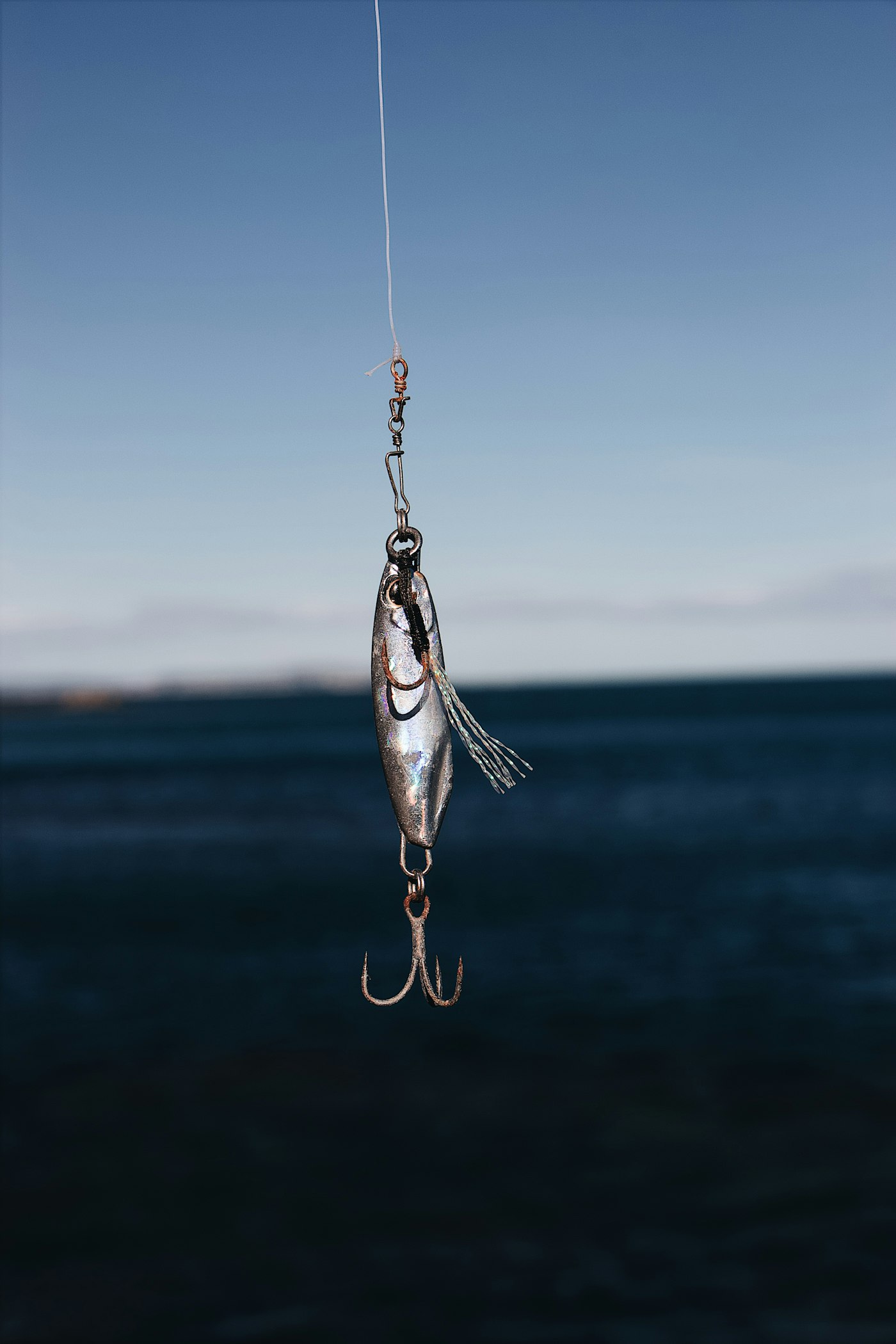
Look for a bent point, rust, an opened bend or damaged eye after a snag or fish. If you are unsure the hook remains sound, replace it. Carry used hooks in a closed container so they do not end up loose in a pocket or on the bank.
For a small kit, buy a modest quantity of one hook that fits your main plastic and one that fits your secondary rig. Keep the labels with them. Once you know which sizes you actually use, replenishing the box becomes more accurate and less expensive than accumulating assorted packs.
Educational guidance, researched with AI assistance. No hands-on testing is claimed. Our editorial approach.
A detail needs correcting?Send the model name, source or correction to [email protected]. Read our editorial standards.