The links in this guide are unpaid references. We do not currently earn a commission from them. How we fund the site.
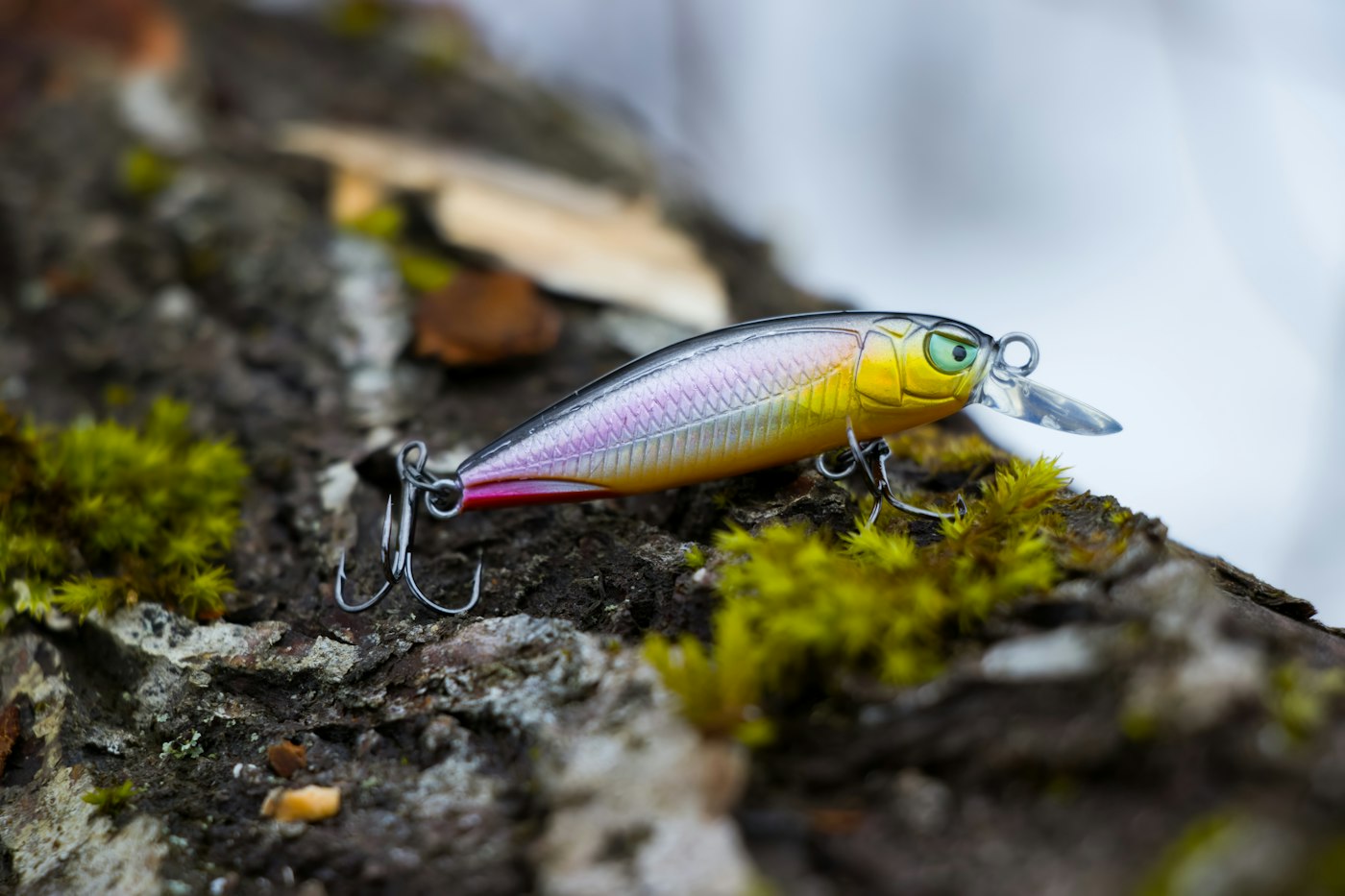
A jerkbait gives you a way to combine movement with a pause. The important first step is learning what your specific lure does when you stop moving it.
Check floating, sinking or suspending behaviour
Read the lure’s label, then lower it into water you can observe. A suspending lure may rise or sink slowly under the conditions you fish. Line, temperature and replacement hardware can influence that behaviour, so do not assume the bait remains perfectly motionless.
Check the stated running depth too. A shallow jerkbait is not automatically reaching fish near a deeper feature simply because you let it pause for longer. Choose a model that can work where you intend.
Create movement without pulling continuously
Make a manageable cast, retrieve enough to bring the lure into its working zone, then use a short rod twitch. Recover excessive slack without dragging the bait through the entire pause. Watch its action beside you first to learn how much rod movement is actually needed.
Give yourself safe clearance around trees, boat rails and other anglers. A downward twitch is awkward from some banks; use an angle that clears the ground and still produces controlled movement.
Compare pauses systematically
Begin with a simple sequence you can repeat, such as two short movements followed by a pause. Count the pause to keep it consistent, then compare a shorter or longer version over the same stretch. No single pause length works across all water temperatures and situations.
If fish follow without taking, change one element: cadence, depth, direction or profile. Changing all four at once makes it difficult to understand which adjustment helped.
Manage the hooks and the take
Keep pliers accessible before starting. Treble hooks can catch clothing, nets and hands, so plan where you will land and unhook a fish. Inspect hooks after hard contact and use replacement hardware compatible with the lure; extra weight may change its balance.
Stay attentive through the pause. Unexpected line movement can be your first signal. Gather loose line and apply controlled pressure suited to your tackle. After the session, note whether the interaction happened during movement or while paused. That is a useful detail to carry into your next trip.
Further reading
Technique background: Rapala: jerkbait depth and cadence considerations. The practice routines above are suggestions to adapt to your own water.
Educational guidance, researched with AI assistance. No hands-on testing is claimed. Our editorial approach.
A detail needs correcting?Send the model name, source or correction to [email protected]. Read our editorial standards.