The links in this guide are unpaid references. We do not currently earn a commission from them. How we fund the site.
A pond makes it possible to fish several different features in a short session. Use that advantage by planning a route and carrying two presentations that fit the same outfit.
Confirm access and pick three features
Use a pond where fishing and access are permitted. Choose three visibly different sections: a shaded edge, a change in bank slope and a patch of reachable cover, for example. Your choices should reflect the actual pond rather than a diagram from another waterbody.
Look at the return route and landing space before casting. A promising bank is less useful if you cannot stand safely or bring a fish to hand without climbing down an unstable edge.
Fish the near edge before the middle
Start with short, accurate casts beside reachable cover. A parallel retrieve can keep a lure near the bank for longer than a cast straight toward the centre. Avoid walking directly over every target before you have fished it.
Then work progressively farther out if the presentation stays controlled. Use the retrieve to learn where vegetation begins or the bottom changes, but do not drag an exposed hook through cover that repeatedly traps it.
Pair a search lure with a slower option
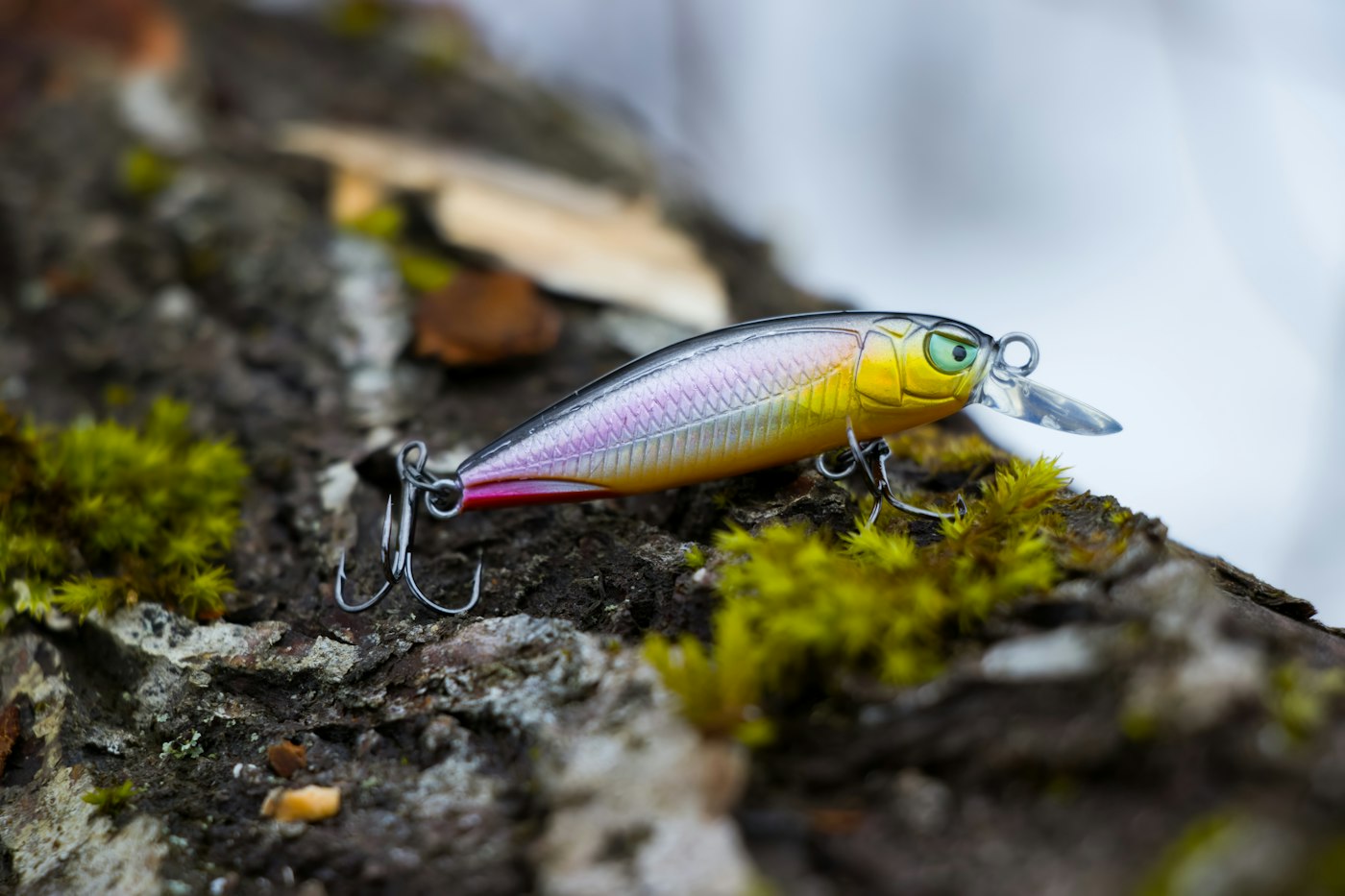
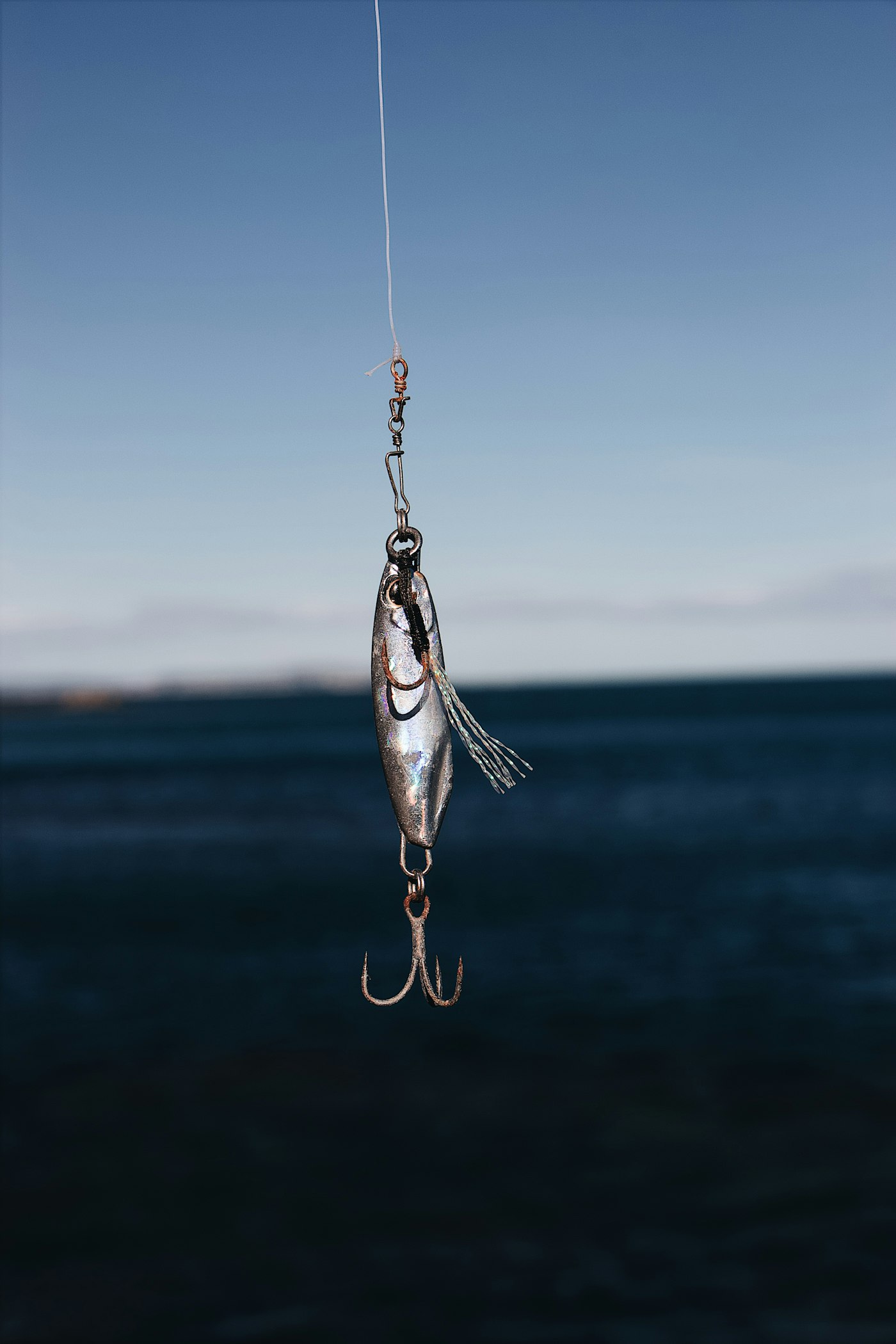
Choose one moving lure your rod handles comfortably, then one soft-plastic rig for a more deliberate follow-up. A spinnerbait and Texas rig are one possible pair. In cleaner, more open water, a different moving bait and wacky rig may be easier to manage.
The point is complementary jobs, not a fixed prescription. If both choices keep snagging in the same vegetation, reconsider the route or hook arrangement rather than bringing more colours of the same lure.
Move when the next place answers a question
After a deliberate pass, ask what you learned: bait activity, a follow, a clean edge, repeated snags or a bite. Stay when you have a specific clue to investigate. Move when another section gives you a genuinely different depth, shade pattern or cover type.
At the end, write down the most useful stretch and the least manageable one. Repeat the productive route on another day to see whether it is a pattern. One good cast is encouraging; several consistent visits give you stronger reasons for your next decision.
Educational guidance, researched with AI assistance. No hands-on testing is claimed. Our editorial approach.
A detail needs correcting?Send the model name, source or correction to [email protected]. Read our editorial standards.