The links in this guide are unpaid references. We do not currently earn a commission from them. How we fund the site.
A rod marked “¼–¾ oz” is giving you a range of lure weights to compare with what you intend to cast. Read that range alongside power, action and line rating. A “medium-heavy” label by itself cannot tell you whether the rod suits a small jig, a bulky swimbait or both.
Start with the exact model, not the power label
Power describes how much force it takes to flex a rod; action describes where the blank bends. The lure-weight range is a separate specification. St. Croix advises choosing among rod powers by the weights of the lures and lines you use most often. Its rod engineering guide explains the distinction between power and action. For the broader terminology, see our rod power versus action guide.
Find the model code printed on the rod or its original listing. Two rods may share a power label but have different intended uses and different lure ranges. Check the manufacturer’s specification for that exact code, particularly when a retailer combines several lengths and powers on one page. The line rating is another constraint to read, not a conversion from lure ounces to breaking strength.
Compare real ranges inside one bass-rod family
Shimano’s SLX Casting A specification table lists the SLXCX610MA medium casting rod at ¼–½ oz and the SLXCX610MHA medium-heavy rod at ¼–¾ oz. Both can include a nominal ⅜ oz lure, but their listed upper limits differ. The same lineup lists SLXC73MHSBA, a medium-heavy swimbait model, at 1–4 oz. That last rod is not a substitute for the ¼–¾ oz model just because both carry “medium-heavy” in the name.
These figures are Shimano’s published ratings, not our casting tests. They show why a technique label and exact model matter more than a generic “medium-heavy rods cast X ounces” chart. Product generations can change, so verify the current model before ordering.
Count the complete thing flying through the air
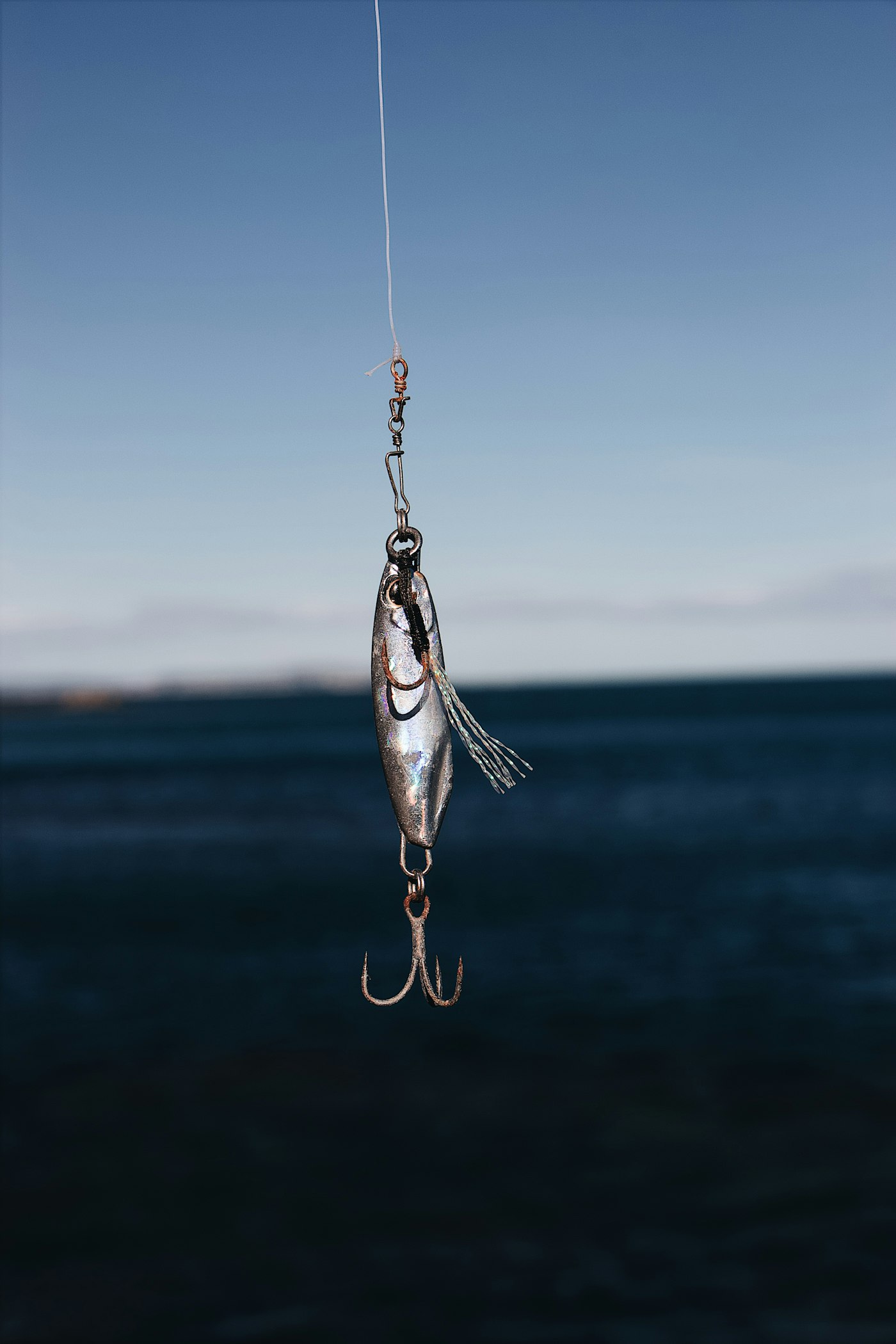
A packaged jighead or sinker weight is only part of the casting load. Include the hook, plastic, trailer, skirt or added weight when comparing a finished rig with the rod’s lure range. For example, a hypothetical ¼ oz head plus ⅛ oz of other components totals ⅜ oz. Those component weights are an arithmetic example, not measurements of a particular bait. If the plastic has no weight printed, weigh the assembled rig or ask its maker rather than pretending the head number is the total.
A lure’s dry weight is also not a complete prediction of casting feel. Shape, air resistance and how the rod loads can make two equally weighted lures cast differently. The printed range is a selection guide, not a promise of distance or performance at every point in the interval. Our sinker-weight guide explains how a weight changes control of a rig.
Use the range as a comparison, not a dare
When your usual lure falls within the published range, you have a sensible model to consider. If most of your presentations cluster near one end, compare a neighbouring rod with a range that better centres those weights, then check its action and line rating. That is an editorial starting rule, not a claim that the midpoint is a manufacturer-defined “sweet spot.”
Do not try to force a much heavier lure onto a lighter-rated rod with a gentle cast or a stronger reel. Sudden casting loads and snags are different from holding a weight still. Stay within the maker’s instructions and choose suitable equipment for the complete rig. Conversely, a very light bait may not load a heavy rod enough for the casting control you want, even if the reel is capable of holding thin line.
A five-minute buying check
Write down three lures you actually plan to cast and their complete rigged weights. Note each candidate rod’s exact model code, lure range, line rating, power and action from the manufacturer. Cross out models whose stated range misses your common presentations. Then compare the remaining rods for the hook type, cover and retrieve you use. This can narrow a purchase without claiming that any one specification predicts a catch.
For a first outfit, bring the lure or a reliable weight measurement to a tackle shop and compare it against the rod label. If you already own a rod, read its printed range before buying an unusually heavy or light new bait. Pair this check with our spinning versus baitcasting guide so the whole outfit matches the presentation. We have not handled or tested the rod models cited here; the model figures come from the manufacturers.
Educational guidance, researched with AI assistance. No hands-on testing is claimed. Our editorial approach.
A detail needs correcting?Send the model name, source or correction to [email protected]. Read our editorial standards.